The History of Incense and Incense Burners in Islamic History

The Pre-Islamic Era Before Islam had even developed incense was an important part of life in Arabia due to the cultivation of aromatics, such as frankincense and myrrh. This was a huge source of profit for the region. But, surprisingly, these aromatics were not preferred by royalty and the elite. They actually preferred musk, aloeswood, and ambergris, which were imported scents. Furthermore, incense was used … Continue reading The History of Incense and Incense Burners in Islamic History

The Dardanelles Gun

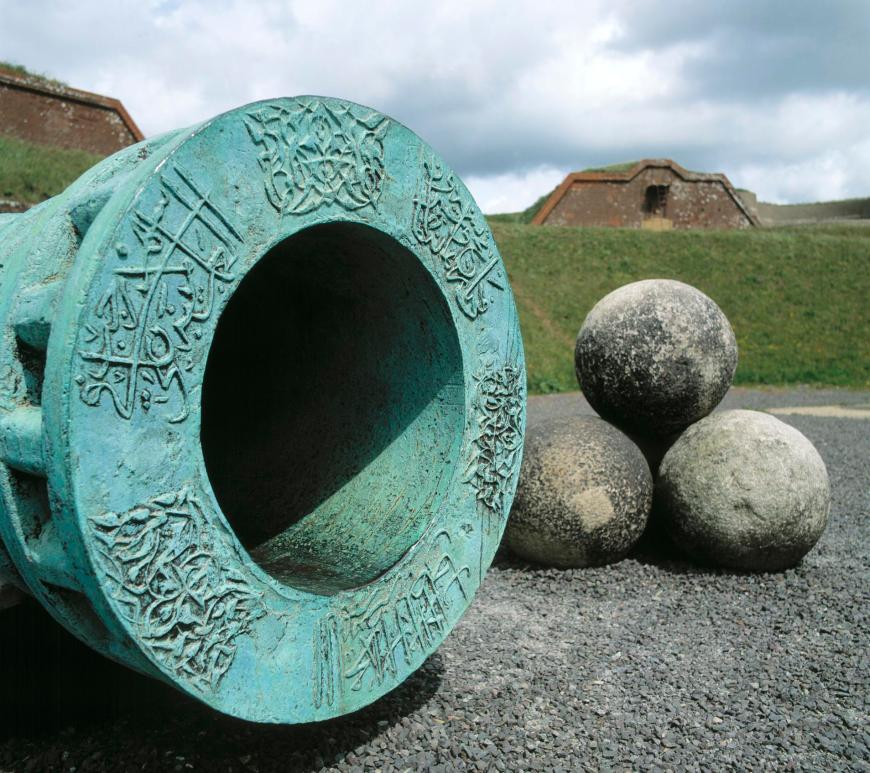
Felix Beuker The Dardanelles gun is one of the few remaining examples of an Ottoman Bombard. These giant bronze guns were the height of weapons technology when they were cast and were crucial in many of the Ottoman’s conquests. Perhaps the most famous of all of these conquests is the fall of Constantinople in 1453, wherein several giant bombards were instrumental in knocking down the … Continue reading The Dardanelles Gun

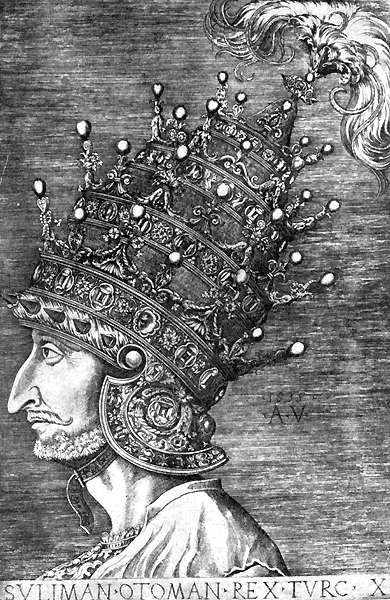
Sultan Suleyman I’s Papal Crown

By: Mal Cianfrani Introduction Sultan Suleyman I, who reigned from 1520-1566, commissioned the creation of an elaborate crown from Venetian artisans. This crown is a prime example of the intentional hybridity that the Ottoman Empire participated in, specifically during Suleyman’s reign. The Sultan was a known patron of Western artisans during his early reign and understood that in order to have as much power as … Continue reading Sultan Suleyman I’s Papal Crown

Ottoman Calligraphy

By Emma Bourne Crafted in silver with intricate embellishments encrusting it, a pen case with an attached inkwell may seem unassuming, but its legacy remains to be a huge part of Ottoman history. Found in Turkey, this pen case is dated from the Ottoman Empire, circa 1909-1918 (1). Calligraphy in the Islamic world has always been affiliated with Islamic practices, which continues to be acknowledged … Continue reading Ottoman Calligraphy

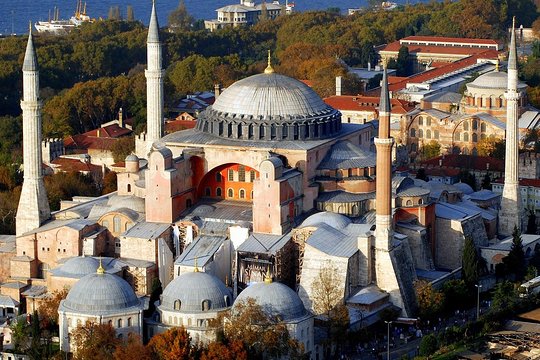
The Hagia Sophia in the Ottoman Empire

By: Aidan Young After moving the seat of the Eastern Roman Empire, now called the Byzantine Empire, to Constantinople in 330 A.D. Emperor Constantius set out to construct a representation of the power he held. He decided to build a church on a site next to the imperial palace for that purpose. The architecture was that of a traditional Roman basilica but on a larger … Continue reading The Hagia Sophia in the Ottoman Empire

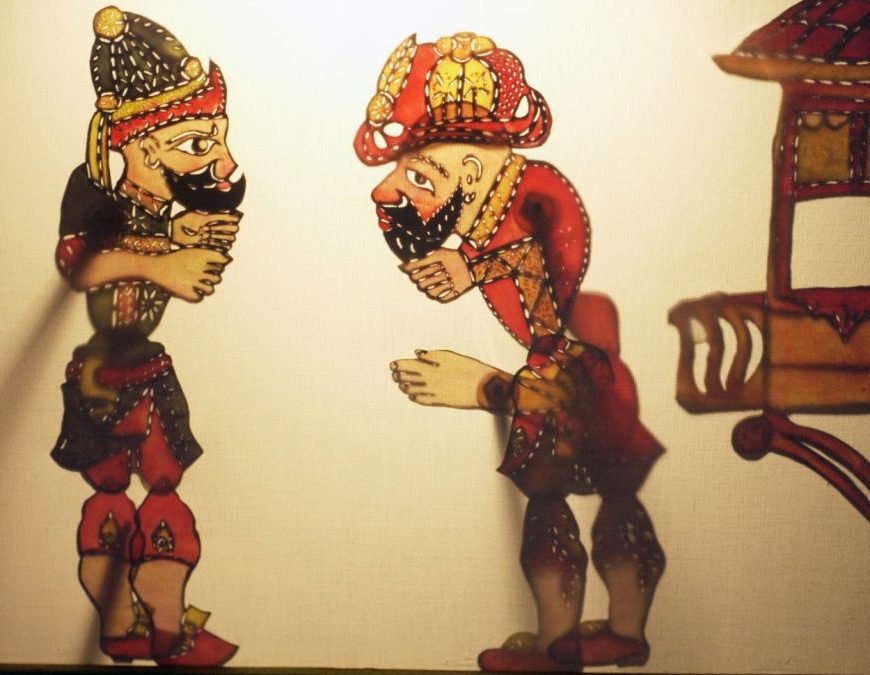
Shadow Puppets In The Ottoman Empire

Shadow puppetry, or Karagöz theatre, was a stylized, crude form of puppetry that existed in the Ottoman Empire in Turkey. Turkey had already developed two differing forms of theatre in folk culture. Karagöz has inspirational roots from Egyptian shadow puppetry, and was performed in coffee shops. However, the birth of modern Turkey had the modern government regulate the crude shows that Karagöz theatre provided, forcing … Continue reading Shadow Puppets In The Ottoman Empire

Ottoman Kaftans (Caftans)

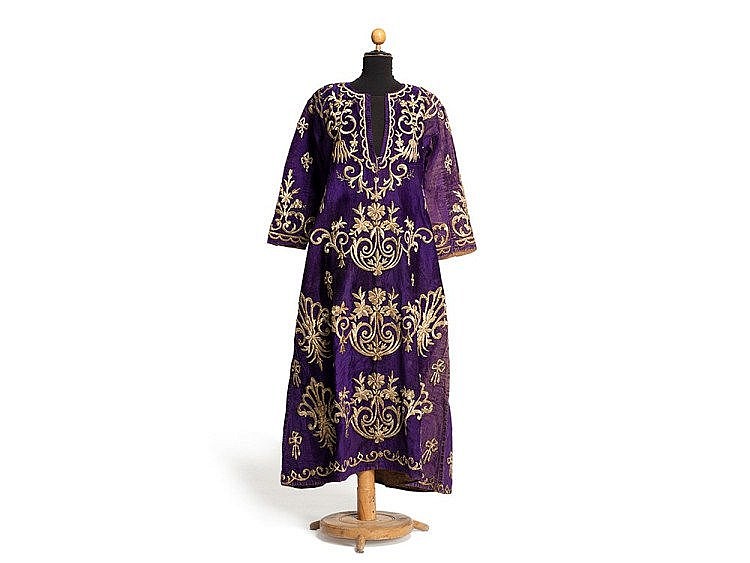
A Kaftan is “a long coat like oriental garment with long sleeves covering the hands, “worn by both sexes”. They were worn by all classes of people and held in very high regard within the Ottoman Empire. They were not seen as simply an article of clothing, but as a symbol of power and politics and a form of art. The Sultan’s employed imperial kaftan … Continue reading Ottoman Kaftans (Caftans)

Textiles and Women in the Ottoman Empire

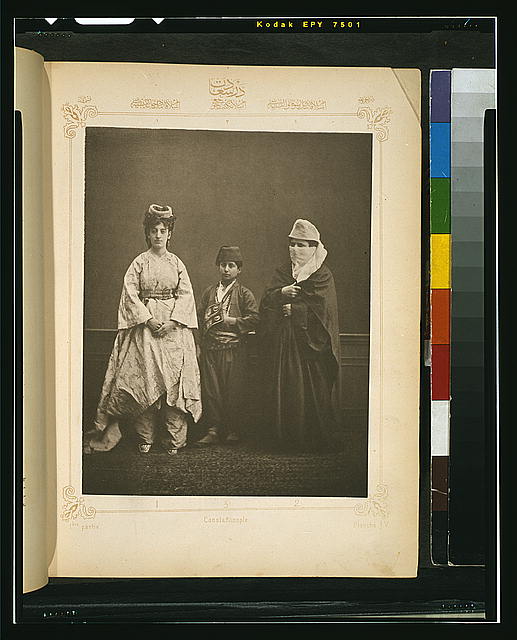
Introduction  Textiles are an important and necessary item that we use in everyday life. In the Ottoman Empire, textile production was an industry dominated by women, so through textiles, we can learn about the life of non-elite women and their work. Islam was the majority religion in the Ottoman Empire, but textile production offered both Muslim and non-Muslim Ottoman women the opportunity to develop their … Continue reading Textiles and Women in the Ottoman Empire