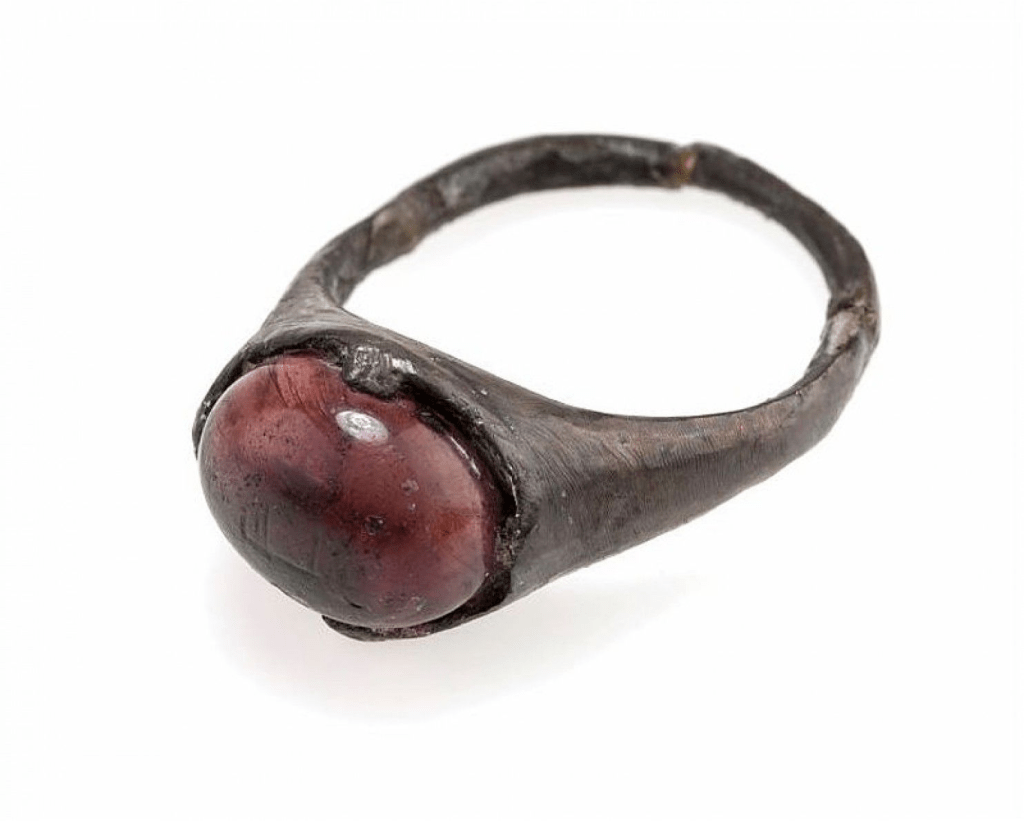
When we think of examples of cultural interactions between two different cultural groups throughout human history, interactions between Muslim travelers and Vikings is one that for many people do not expect or even know given the vastly perceived cultural differences and the geographical distance between the Islamic and Viking worlds. However, the discovery of a Islamic finger ring discovered in a burial site of a 10th Viking site in Sweden shows that indeed these interactions between Muslims and Viking did indeed occur.
Where was this ring located?
The ring was found on the Viking archaeological site known as Birka, a Viking archaeological site located on the Swedish island of Björkö (Wärmländer, 2015, 131). The site Birka was believed to be a trading site/post as given the numerous mammal bones found at Birka such as fox and squirrel bones indicate that fur pelts were skinned and traded at Birka (Ambrosiani, 2005, 288). Based on archaeological evidence, Birka was founded around the late 8th century and remained in use until its abandonment around the 10th century (Wärmländer, 2015, 131). Initially in Birka’s early history, artifacts showed that the Vikings of Birka initially traded with western Europe (likely Carolingian territory) but when artifacts from the 9th century saw a noticeable shift from western origins to eastern origins mainly Russian and Islamic origins (Ambrosiani, 2005, 288).
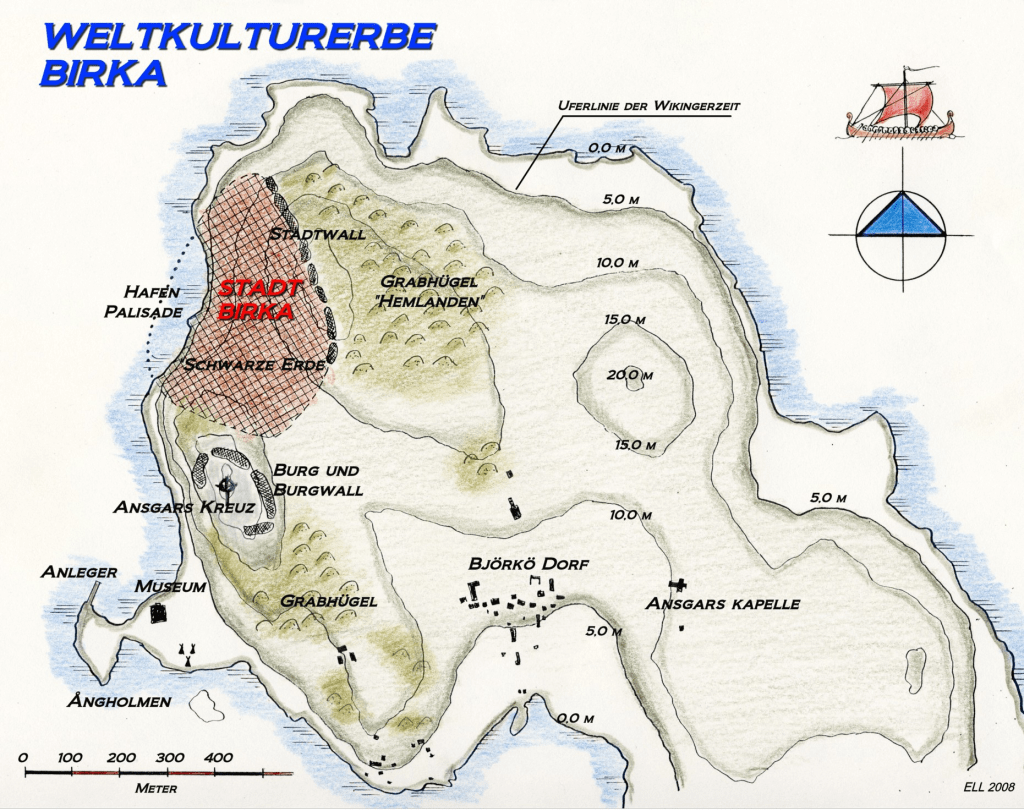
Figure 1: Map of the island of Björkö which including the site of Birka.
Islamic artifacts of Birka
In terms of the Islamic artifacts found at Birka the most common artifact are the dinhams. Dinhams are silver coins minted throughout the Islamic world (Noonan, 1992, 238). Dinhams despite being minted for the Islamic world, dinhams have been found in Viking hoards and burials throughout Scandinavia and and Russia, areas that were under control by the Vikings from the 8th to 11th century including Birka (Ibid). The presence of the dinhams for archaeologists and historians that Vikings must have traded with Muslim merchants/traders while other historians believe that the dinhams were acquired either through mercenary work with the Byzantines or they were acquired through raids along the Caspian Sea which did occur but were quite rare and documented to have been disastrous for the Viking raiders (Noonan, 1992, 239). Given the debates on origins of the dinhams were acquired by the Vikings, artifacts such as the Birka ring are important in understanding Muslim-Viking relations.
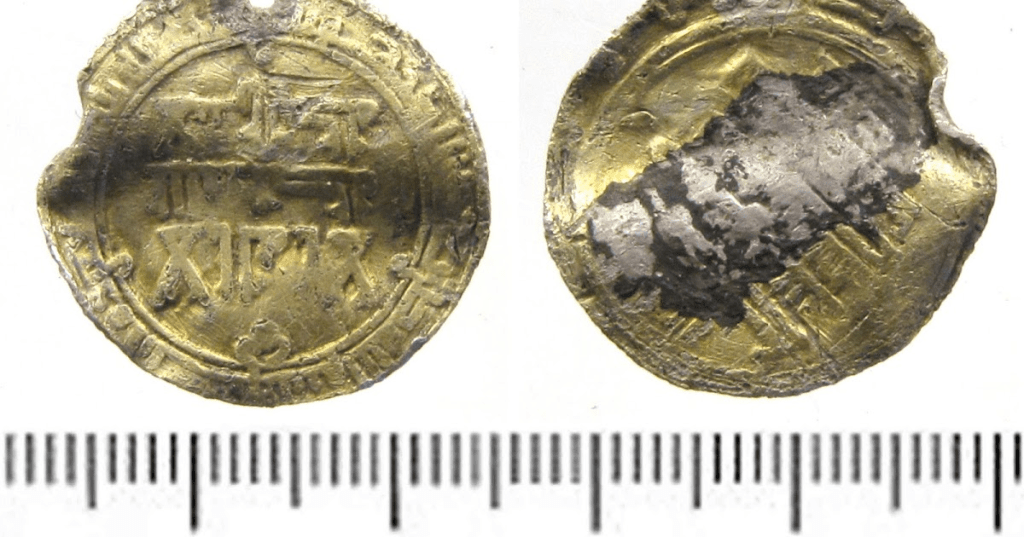
Figure 2: Dinhams, Islamic coins that were commonly found at Birka and other Viking sites in Russia.
The ring and its significance
The Birka ring was discovered in a burial site and despite the body being completely decomposed with no skeletal remains, it was believed that the coffin had a female in it based on surviving cloth found in the coffin (Wärmländer, 2015, 132). The ring was located where it was believed the woman’s chest would be suggesting that the ring was on one of the woman’s fingers (Ibid). What makes the ring unique in Viking context is what’s on the ring. On top of the ring was initially to be an purple amethyst stone with engraving on this supposed stone. The inscription of the stone was engraved in Kufic Arabic and reads “il-la lah” meaning for/to Allah in Kufic Arabic (Wärmländer, 2015, 131). Given the uniqueness of the ring in a Viking archaeological site, the legitimacy of the Birka ring as of actual Islamic origin needed further analysis to prove its legitimacy. Following further analysis, it was found that the ring was made of a silver alloy, a material that was not indigenous to Scandinavia and wouldn’t be harnessed by the Viking until 995 which by that time, Birka had already been abandoned (Ibid). It was also found that the supposed amethyst wasn’t actually amethyst but colored glass, another material type of material that was not indigenous to the Vikings but for the Muslims in the Middle East (Wärmländer, 2015, 135). Given the fact that the main materials for the ring did not come from Viking lands along with the fact that Kufic Arabic script used matches with Arabic writing script that was popular from the 8th to 10th century which was the same period as Birka (Wärmländer, 2015, 131), it can reasonably concluded that the ring is indeed a Islamic ring that likely came from the Middle East or was made by a Muslim jewel maker and somehow ended up in a burial site in Swedish island. While material analysis can prove the ring’s legitimacy, it can not however answer the question how a Islamic ring got to Birka nor can it prove that the woman buried with the ring converted to Islam prior to her death, it can however tell us that interactions between Muslims and Vikings must have indeed occurred in some form including the prospects of trade.
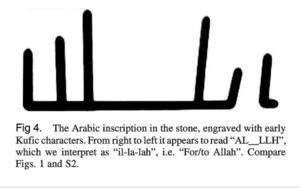
Figure 3: The Kufic inscription found engraved of the glass top of the Ring.
History of Muslim-Viking Interactions
In order to answer the question where the ring likely came from and its relations to Muslim viking relations, it is best to look at the contemporary written sources during the 9 to 11th centuries describing interactions between the Muslims and Vikings. For the written sources describing these interactions primarily come from Muslim writers as the Vikings main writing source, Runic stones were only used for land markers and graves (Gabriel, 1999). Between the 8th and 10th centuries, Muslim writers and travelers had chronicled different interactions with Vikings under numerous names whether it being Rus, Majus or Nortmanni, Urduman, and Warank (Hraundal, 2014, 69). The accounts of these interactions span across the Eurasian continent from Al Andalus Spain to Russia and even reports of VIkings being present in the Abbasid capital of Baghdad. In terms of accounts coming from the west, the earliest claimed interaction detailing Muslim-Viking interactions comes from a 13th century writer, claimed that in 845 a diplomat for the Emirate of Cordoba was sent to a diplomatic mission to “great island on the Atlantic” following a series Viking raids on Al Andulas in the early 840’s ( Pons-Sanz, 2014, 6). Given the questions of the accounts validity along other accounts describing interactions of conflict between the Muslims and Vikings in Al Andalus along with the noticeable change of artifact origins at Birka from west to east in the 9th century, it’s unlikely the Brika ring came from the west.
Muslim-Viking interactions in the East
In comparison, the accounts of Muslim and Viking interactions in the east varied much more and occurred in a much wider range than the accounts of the west. A large reason for this is that the Vikings in the east had established a state known as the Kievan Rus which encompassed territory of modern Ukraine, Russia and Belarus (Hraundal, 2014, 65). The vikings known as the Rus in the east established trading posts and relations with the Turkic peoples of the Khazars and Volga Bulgars in Volga region and Caucuses of modern Russia as the Rus not only traded with the Turkic groups but also Greeks, Persians and Arabs where the Rus traded slaves, fur, amber and swords for silver (Gabriel, 1999). While accounts such as Ibn Khurdadhbih claimed that the Rus made it all the way to Baghdad to trade with the Muslims (Hraundal, 2014, 72) and accounts from 10th century geographer Ibn Rustah claimed that the Rus in the Volga “have no villages, no cultivated fields.” (Gabriel, 1999). The problems with these accounts is that these writers themselves had never traveled to the Volga or have met with the Rus themselves or used informants for their writings. That’s why the writings from 10th century traveler and diplomat Ibn Fadlan’s account as he personally traveled to the Volga region as part of a diplomatic mission to the Volga Bulgars. During his mission, Fadlan encountered the Rus in 922. Referring to them as Rusiya and documented the Rus’ physical bodies, hygiene, trade practices and even a viking funeral and sacrifice (Fyre, 2005). Fadlan also documented the Vikings wearing dinhams as necklaces and would use the dinhams for trade (Fadlan, 922, 64).
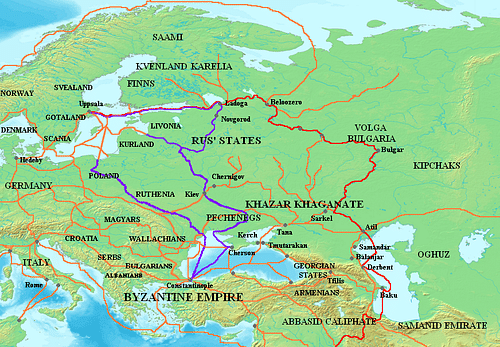
Figure 4: Map of the travel routes the Rus took feom the 9th to 11th centuries including using the Volga river to reach the Caucuses (in red) where likely interactions between Muslims and Viking took place.
The stories of Muslim and Vikings interacting in the Volga of east including Ibn Fadlan’s shows the relations between the Muslims and Vikings from the 9th to 11th centuries was one of trade and interaction within the Volga region to the Middle East. Given trade networks and post established along the Volga and Caucuses and its proximity between the Middle East and Scandinavia, it can presumed the the Birka ring was likely acquired or from a Muslim merchant/traveler in this region and the rivers that the Rus used to travel from the Volga to Rus territory in Europe help may explain how a unique artifact such as the Birka ring made its way to female burial site on a Swedish island.
Bibliography
Ambrosiani, Björn, and Phyllis Anderson Ambrosiani. 2005. “Birka and Scandinavia’s Trade with the East.” Russian History 32 (3/4): 287–96. https://www.jstor.org/stable/24663264.
Fyre, Richard. 2005. Ibn Fadlan’s Journey to Russia: A Tenth-Century Traveler from Baghdad to the Volga River. Edited by Richard Fyre. Princeton, New Jersey: Princeton : Markus Wiener Publishers.
Gabriel , Judith. 1999. Review of Among the Norse Tribes the Remarkable Account of Ibn Fadlan. Saudi Aramco World. Aramco World. November 1999.
Hraundal, Thorir Jonsson. 2014. “New Perspectives on Eastern Vikings/Rus in Arabic Sources.” Viking and Medieval Scandinavia 10: 65–98.
Noonan, Thomas S. 1992. “Fluctuations in Islamic Trade with Eastern Europe during the Viking Age.” Harvard Ukrainian Studies 16 (3/4): 237–59. https://www.jstor.org/stable/41036477.
Pons-Sanz, Sara M. 2004. “Whom Did Al-Ghazᾱl Meet? An Exchange of Embassies between the Arabs from Al-Andalus and the Vikings.” Saga-Book 28: 5–28.
Wärmländer, Sebastian K.T.S., Linda Wåhlander, Ragnar Saage, Khodadad Rezakhani, Saied A. Hamid Hassan, and Michael Neiß. 2015. “Analysis and Interpretation of a Unique Arabic Finger Ring from the Viking Age Town of Birka, Sweden.” Scanning 37 (2): 131–137. https://doi.org/10.1002/sca.21189.
 Objects of the Ottoman Empire