By: Ashlie Hardman
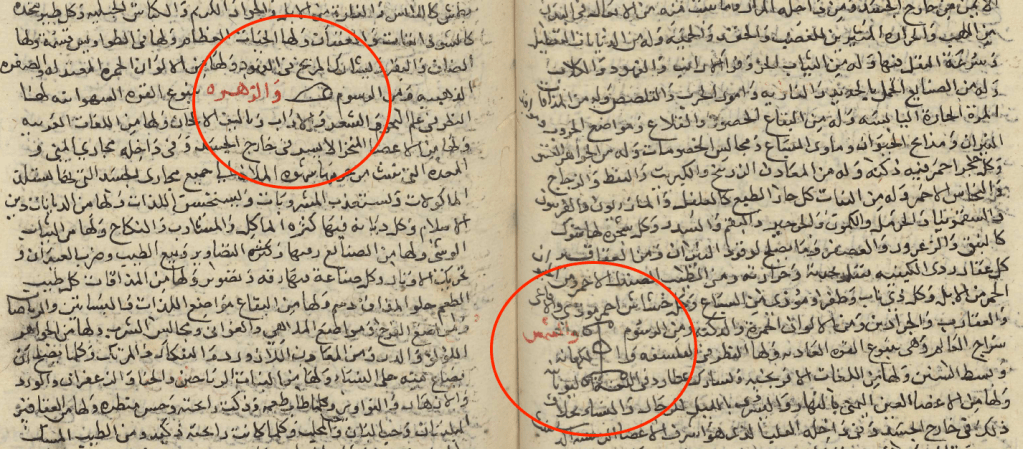
Source link lost: the first page of the manuscript says “Ex Legato Viri Ampliff Levini Warneri.” (From the legate of Mr. Ampliff Levin Warner) and MS: Orient: No 575 on the last page.
About
The Picatrix, an astronomical occult, manuscript, was believed to have originated in Europe. However, as older copies of the manuscript have been discovered, its origin story has evolved. The oldest known version of this manuscript is thought to have been created in the 10th or 11th century in Arabic. It was called Ghāyat al-Ḥakīm ( غايةالحكيم ). The english translation is something like “The Aim of the Sage” or “The Goal of the Wise.”
In the mid thirteenth century, the original Arabic manuscript was translated into Spanish for King Alfonso, the Learned. Each copy was done by hand, and at least thirty are known to exist, including one in Istanbul. As the manuscript was circulated and copied additional information and images were added. The oldest known version contains simple astrological shapes and symbols, while the later copies have large colorful illustrations. A Latin copy was created from the Spanish version. The Latin manuscript lost information that connected it to its Arabic roots, either through translation and transcription errors, or intentionally. Under its new name Picatrix the Ghāyat traveled Europe, making its way through intellectual and occult circles.
Evolution
Mistakes in the transcriptions of the Picatrix provided researcher with links to track the movement of the manuscript. By following these links back in time it was possible to trace this manuscripts journey back to its origins. Mistakes can also be tracked to the original document. The following quote shows researchers how an original mistake can continue unchecked.
“Take 30 white starlings, kill and cook them with their feathers, etc… This has to be done 30 days before the moon’s conjunction with Virgo, etc…” The absurdity of the passage becomes evident if we remember that the sidereal revolution of the moon amounts to a little more than twenty-seven days, whence there necessarily occur two conjunctions with Virgo in the period mentioned”.
“Notes on Picatrix.” 1965. Isis 56 (4): 438–51.
— Willy Hartner
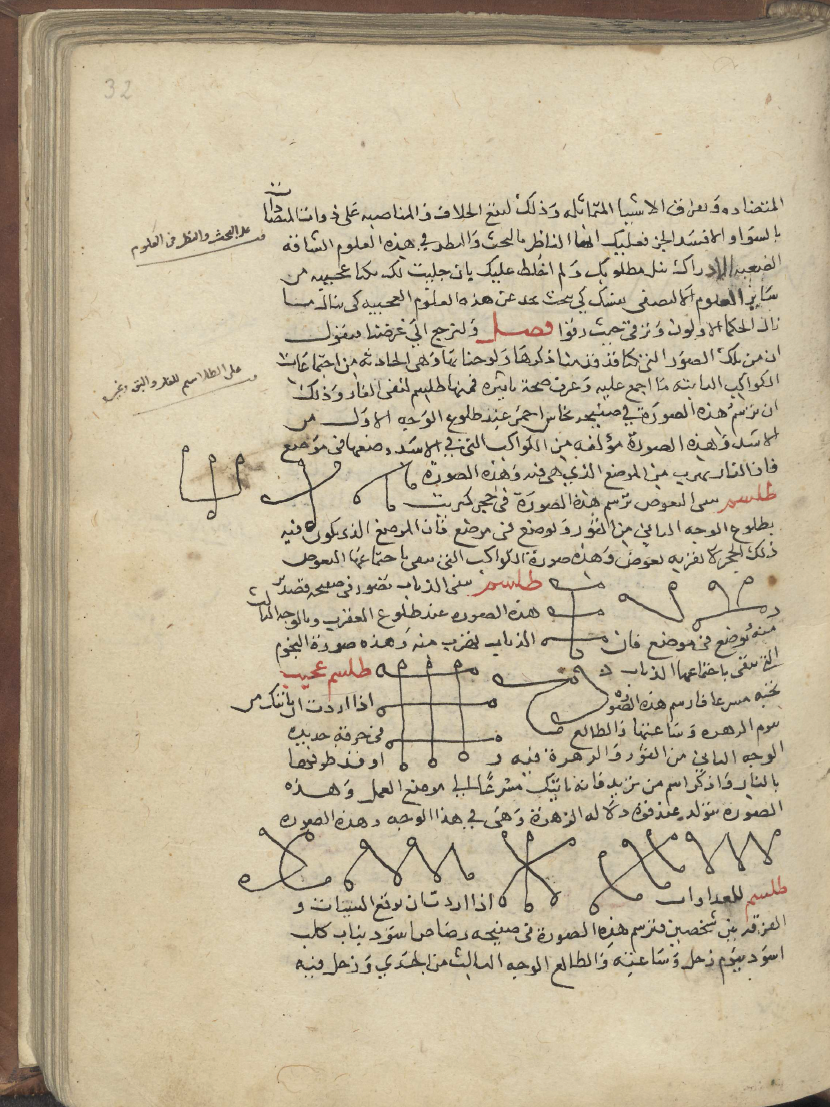
Symbol Comparison Between the Ghāyat and the Picatrix
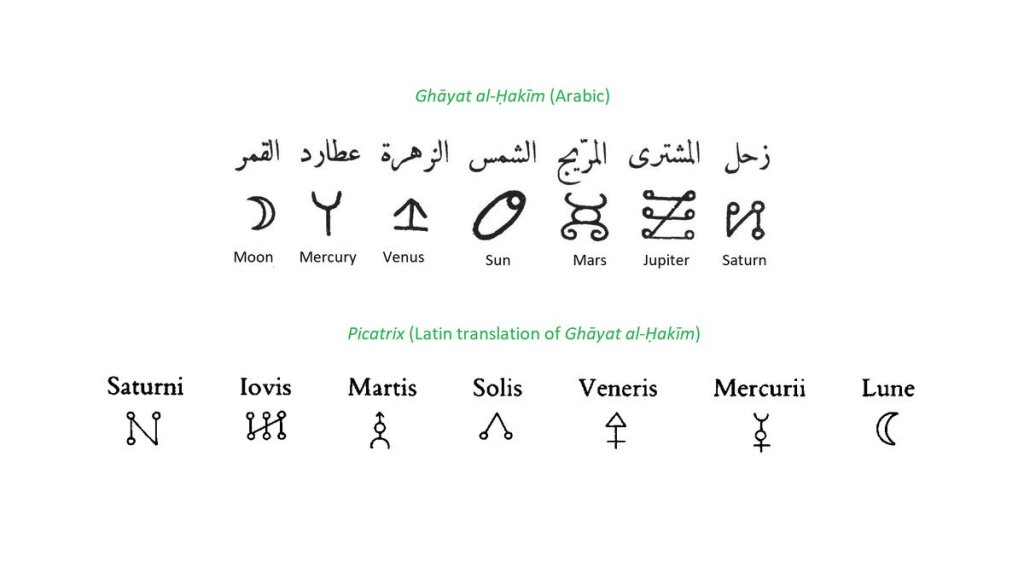
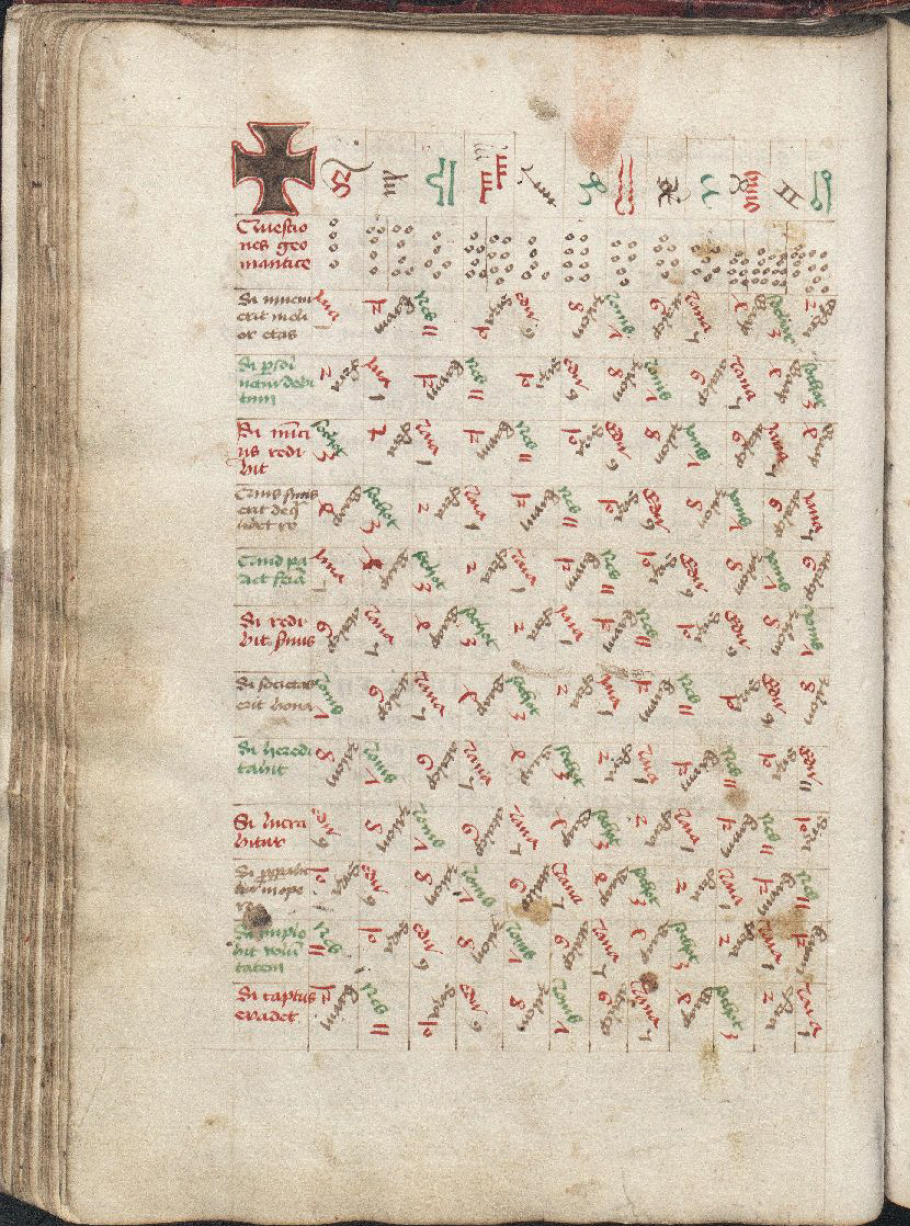
Right: Picatrix (Biblioteka Jagiellonska MS 793) ca. 1460
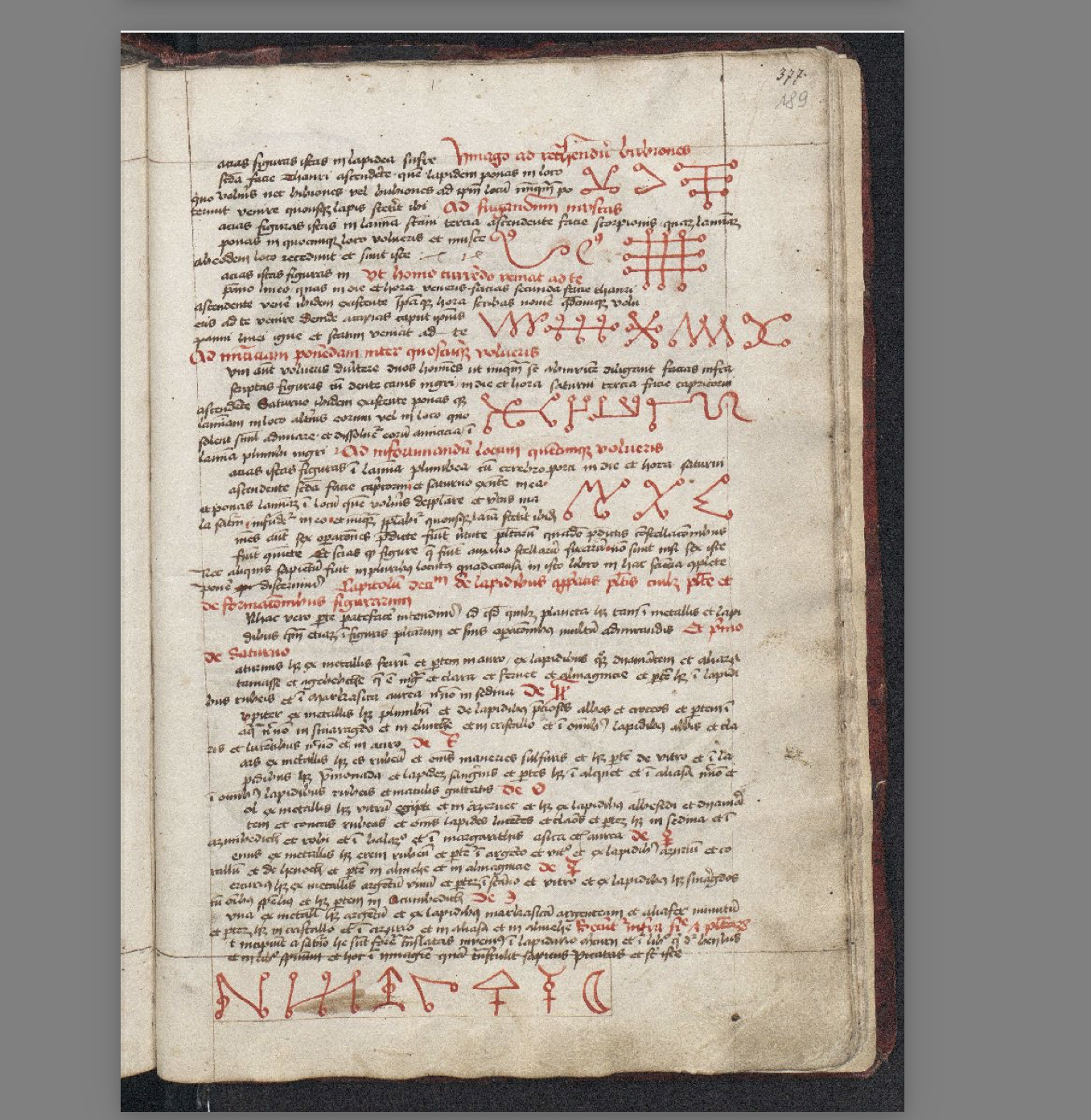
Right: Picatrix ca. 1460
Why is it Significant?
The Ghāyat al-Ḥakīm can provide insight into how the occult was thought of in medieval Islam, and how nature and divinity were viewed. Further connections to philosophy, nature, the divine, and how these practices were given legitimacy rather than it being viewed as sorcery can be made. “In recent years, we have witnessed an efflorescence of research on Islamic esoteric traditions and occult thought. Such scholarly activity has established that the occult sciences are part of Islamic intellectual history that cannot be overlooked; rather, they constituted a primary mode by which people thought about the hidden, the extraordinary, and their potential for partaking in the divine and wondrous. Occult beliefs and practices are thus inextricably embedded in philosophical, scientific, and religious discourses. I argue that medieval Islamic occult sciences distinguished themselves from forbidden siḥr or sorcery by identifying legitimate conditions of acquiring power on the basis of two [different] paradigms: by association with natural philosophy on the one hand, and by association with Sufism on the other.” Documents like these can also tell us more about a person’s daily life than it may seem at first glance.
The Ghāyat al-Ḥakīm can give scholars insight into how people who lived during it’s compilation viewed their relationship with nature, the universe, and with creation; as well as their belief in the ability to predict, influence, and change events. It contains information about superstitions and associations that might have been lost otherwise. In addition the Ghāyat al-Ḥakīm is adorned with astrological symbolism of Islamic Art that were through to have been developed at a later time.
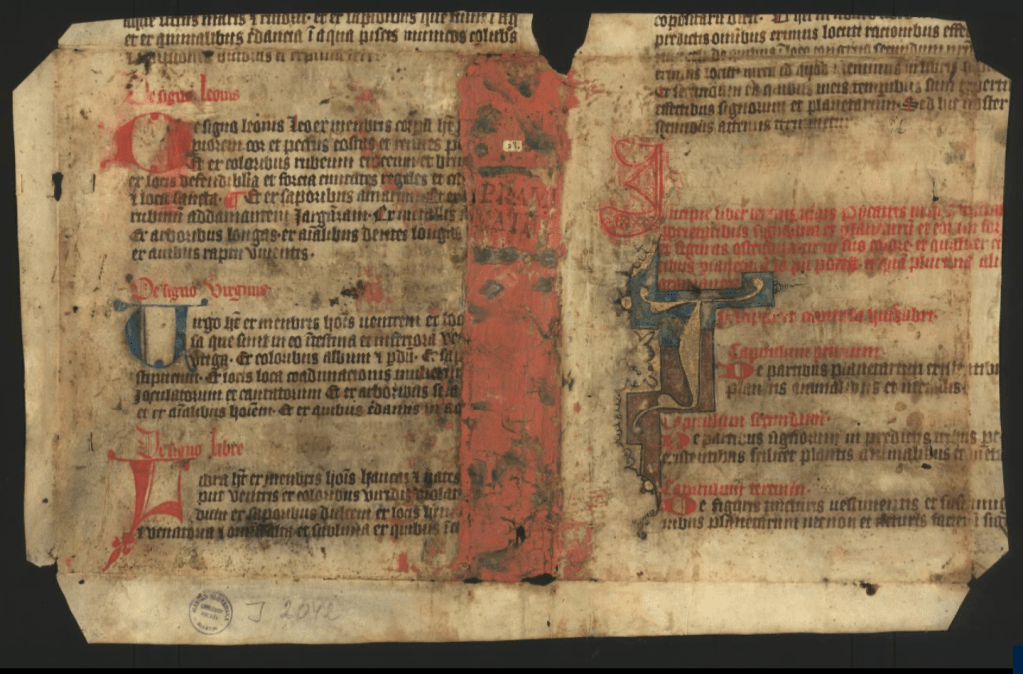
Fragment of the Latin Picatrix from the Library of Congress
The Mystery of the Original Author
The original Arabic manuscript did not list an author but had the words “with us in Spain” written on it. This led some researchers to believe that the anonymous author had been a Spanish Muslim.
The author of the Ghāyat al-Ḥakīm became known as the Pixatrix after the manuscript was translated from Spanish into Latin. There are different theories on who the Picatrix was and whether the Ghāyat al-Ḥakīm was written by a single author or was a collection of much older information. Maslama al-Majrītī, a well-known mathematician, has been suggested as the original author of the Ghāyat al-Ḥakīm by some scholars, while others argue against this. Another theory is that the information was a collection from many sources and places rather than the creation of a single person. There is some existing documentation that names the original author, but the accuracy of these documents have been questioned by researchers.
One of the Hebrew manuscripts gives the author’s name as ‘Abū ‘l-Qasīm Maslama ibn Ahmad al-Marīta [or Marītī] as well, but this document was copied in the sixteenth-to-seventeenth century. Ibn Khaldūn (1322-1406) claimed that the Ghāyat al-Ḥakīm was written by Maslama al-Majrītī; but his statement was made more than a century after it had been translated into Spanish. Khaldun wrote this passage in his Muqaddimah, “Then [in the second half of the 10th c.] Maslamah b. Ahmad al-Majrītī, the leading Spanish scholar in the mathematical and magical sciences, made his appearance. He abridged all these books and corrected them… in his Ghâyat al-Hakim.” It’s not possible to know if Khaldun had access to an original Arabic manuscript, or a copy, with potential inaccuracies.
The lack of documentation leads some researchers to look for clues in the manuscripts themselves. One group of academic scholars have compared the talismans in the Ghāyat al-Ḥakīm and the Kyranis (Cyranides). They looked at Harpocratíōn for this analysis due to his adaptations to the Kyranis. While this is an interesting hypothesis, it fails to offer any substantial proof, so the debate into the author behind the Ghāyat al-Ḥakīm will likely continue.
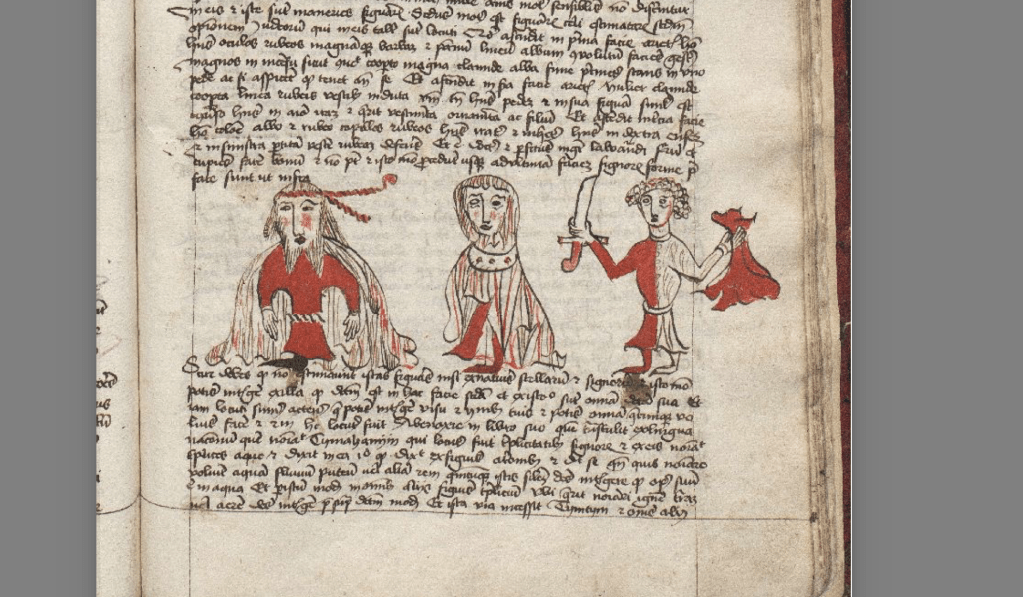
Talisman Figures Drawn in the Latin Picatrix
What does it Contain
The Ghâyat al-Hakim is a collection of astrological and magical information, ideas, and superstitions, gathered from various locations like Persia and India, based on Neoplatonic ideas and borrows from different religions and spiritual beliefs, including Paganism. The passages contain lengthy descriptions of magical correspondences and instructions on how and when to apply this magical knowledge. The manuscript is a collection of gathered information, rather than a single source. It lacks a concise theory on magic. The reader must rely on their ability to abstract the author’s hints and inferences.
Although there are sections or chapters, the material is jumbled at times. The Ghâyat is arranged by philosophy, magical theory, astronomy and astrology, and myths and lore about the physical world. Interspersed through the text are directions for magical practices, including the creation and use of talismans. The magical practices rely on correspondences between the natural world, the human world, the spiritual world, and the cosmic world. Plants, animals, stones, planets, letters, lunar cycles, and human desires intertwine to create a system that mirrors the heavens and the Earth, or the macrocosm and the microcosm. By manipulating one, the practitioner can affect the other, in theory.
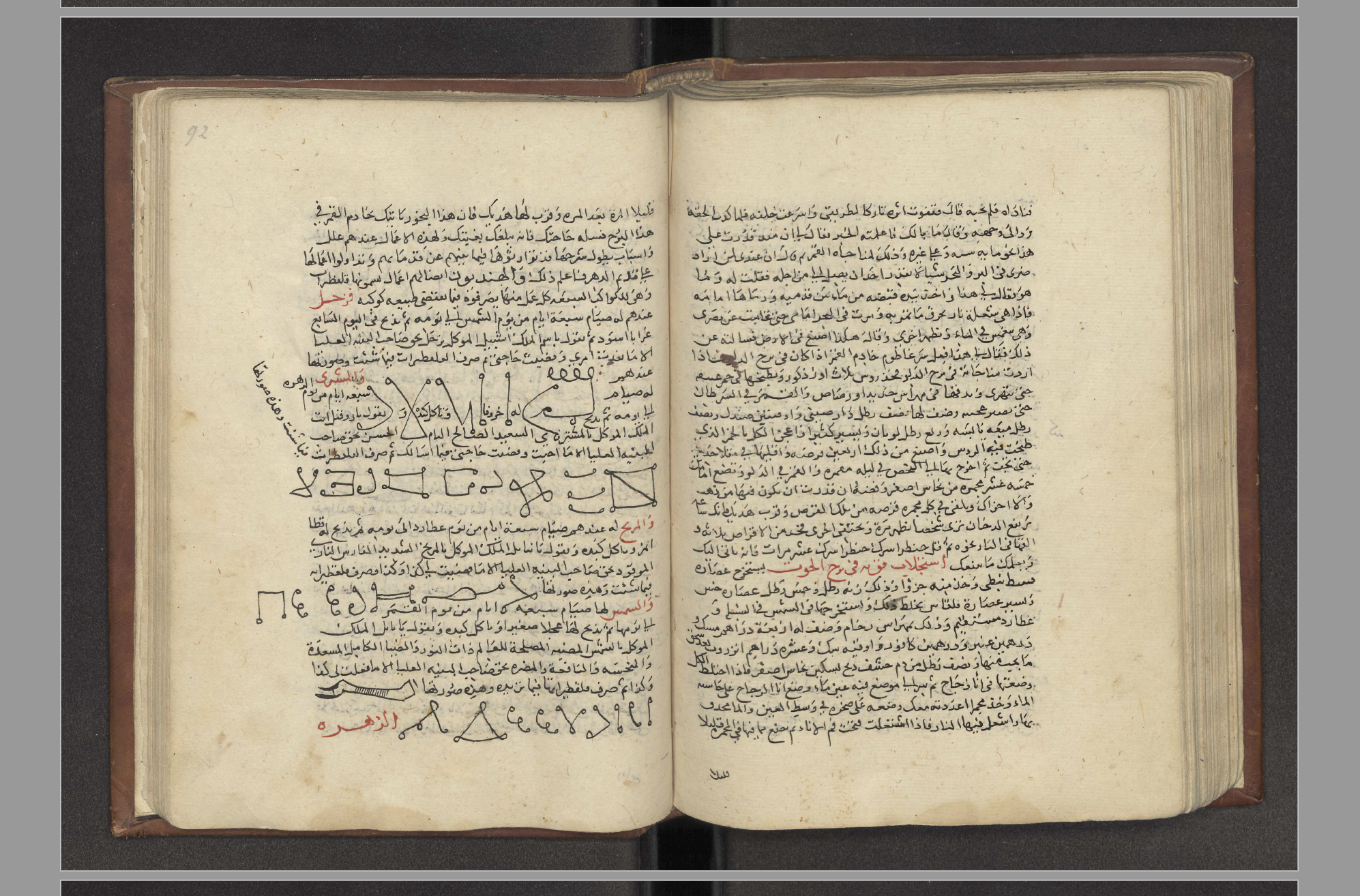
Planetary Sigils and Zodiac Symbols in Arabic Copies of the Ghâyat
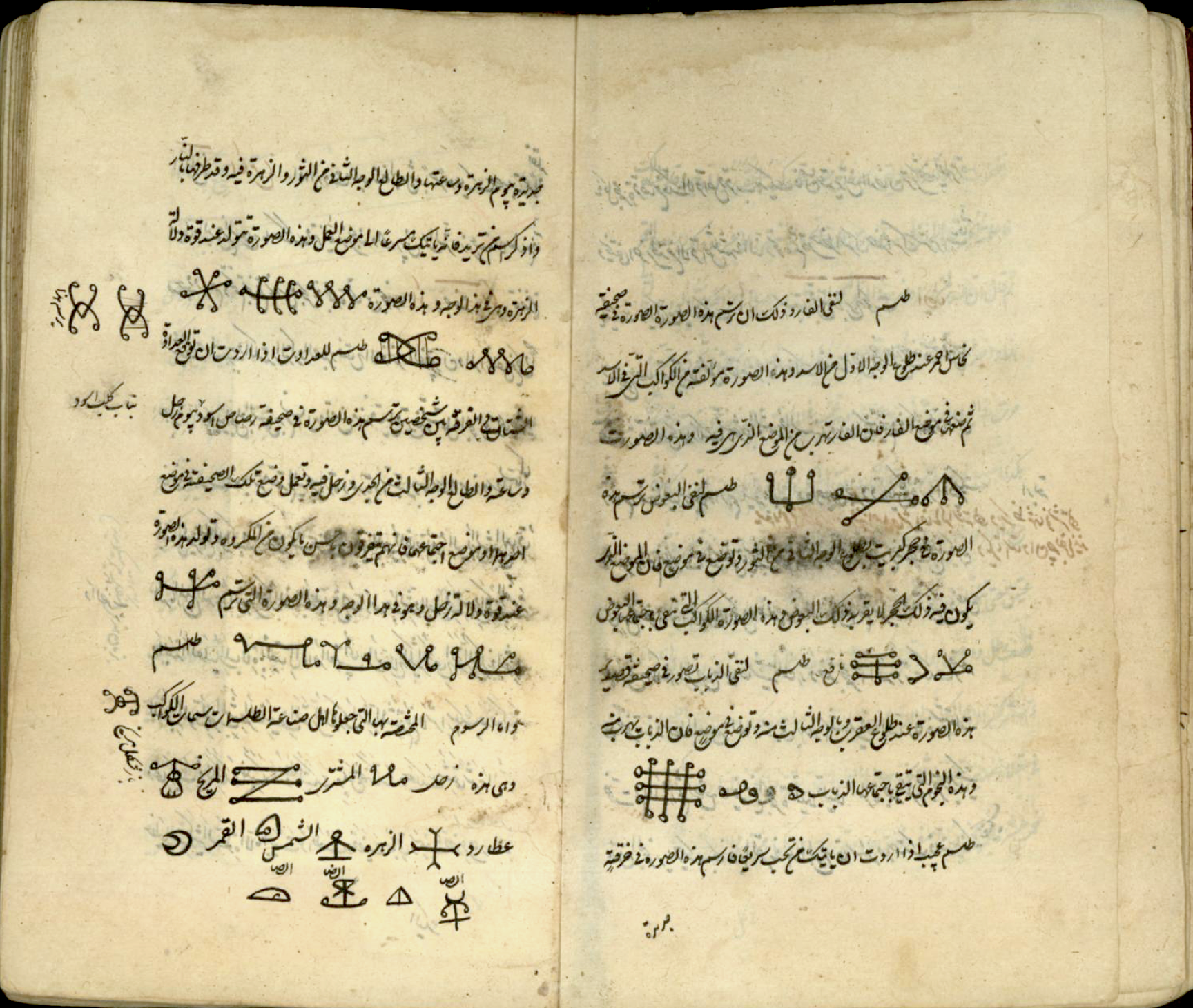
Right: Ghāyat al-Ḥakīm ca. 17th C?
What Were the Talismans For?
Health and Wellbeing
- Illness: protects against colics, cures epilepsy, will cure liver and stomach pains, cures measles, cures burning and excessive discharge of urine, cures fevers, calms liver and stomach pains
- Women’s Illness: cures genital organs, protects against illnesses of the abdomen
- Injury: protects against all injuries by serpents, scorpions, or other poisonous animals and he will be cured of the pain from their bites – will stanch blood flowing from a wound, stanches the hemorrhage of women
- Health: long life and good health – extend the life span of its bearer and keep him alive – will have a good life and a good death
- Mental Health: free its bearer from evil thoughts – prevents evil crises of the soul – it makes happy again the evil soul beset by melancholy – dispels oblivion – fills the heart with joy – will be of good cheer – Its bearer is always happy and smiling
Protection
- Protection: No thieves, other evil men, beasts, or the evil eye will do him harm – protects him against the tricks or sinister plans of his enemy – safe from the persecutions of kings and sultans – A woman will easily give birth, without harm to herself or to the child – protects against the illnesses and injury of children
- Travel: He who carries this stone will travel in safety and will suffer no harm – he will not grow tired while traveling long distances
Power
- Power: Should he have enemies, they will not have the power to do him harm – He will be conquered by no one – The king who wears the stone while the Sun is in its exaltation will conquer his enemies so that they will obey him and come under his command – Anyone drinking of that water that the stone has been washed in will see and have power over the pneumatic spirits – People will dread the bearer of the stone – The bearer is feared by spirits and men – He will not be afraid of a king – The talisman will change a coward into a brave man
- Prestige: He will be highly respected, loved and honored, will arouse awe and a recognition of majesty, earns prestige among men and similar things – He will be liked and honored among magistrates and other men who pass judgment and make religious laws – He is considered honest in all his affairs
- Wealth: His enterprises will proceed smoothly, will accomplish whatever he undertakes – Arranges all his affairs in the best possible way, it brings success to its bearer, even beyond his desires – Increases the prestige, helps acquire wealth, and greatly increase his possessions – Whatever he wants he will quickly secure
Love and Sex
- Sexuality: will be loved by boys so much that once they know him they will not wish to leave him, they cannot keep away from him – he will have the strength to lie often with women, and will have great pleasure from them and they likewise from him, increases sexual power – Women feel attached to the bearer of the stone and are subservient to him
- Desire: makes its bearer well-liked by all – they will speak well of him, no one slanders him – Will be well-liked by women, will win their love – People will gladly carry out all his wishes – No one will tell him anything to cause him sorrow, will tell him only what may please him – produces remarkable things to good and to bad effect, but its effect is greater in bad things
- Hopes: The bearer is liked and loved by people – highly regarded by all people – revered by accountants and collectors of imposts – Scribes, accountants, and administrators will be subservient to its bearer
The Natural World
- Pests and Vermin: He who has the stone with him or who buries it in a place abounding in flies will rid himself of them and likewise of other annoying things – leeches from places where they are found — drives mice from a place; they can no longer remain there
- Nature: fosters the growth of crops and trees of all kinds – The rains come at the right time and do not harm or damage any place where the stone may be located – if he hunts birds they will gather around him and not part from him
Miscellaneous
- Freedom: The stone will help to free and rescue prisoner
- Harmony: If this talisman is washed in water and two people drink therefrom who dislike each other, they will be reconciled and feel a mutual liking – Should its bearer come to a place where people like each other, they would begin to dislike each other through the presence of the stone
- Dreams: He will dream no evil and terrifying dreams
- Intellect: The talisman generates memory and intelligence, fosters thinking, stimulates scientific research
Talisman Descriptions and Comparisons
“When Mars is in its exaltation and the second decan of Aries is the ascendant, the stone will fulfill all its bearer’s wishes, good or bad; but its power is greater with the bad than with the good. The stone is the loadstone.”
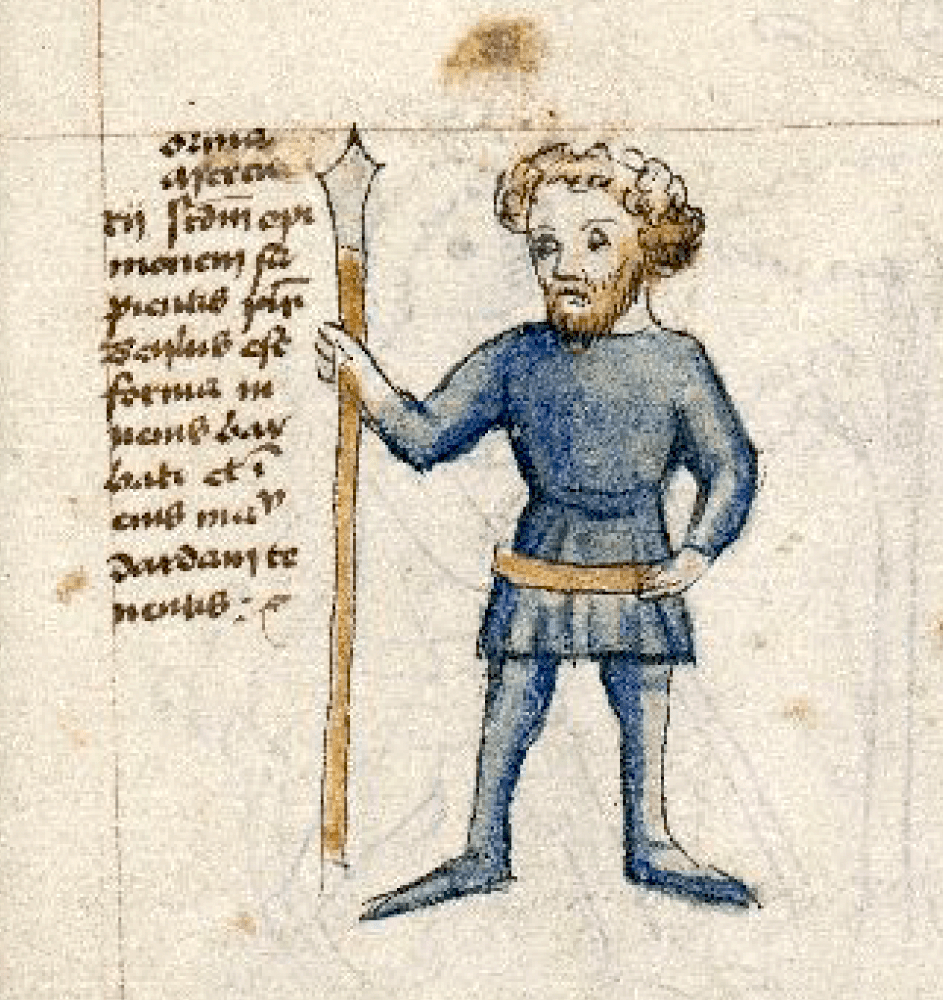

Right and quote above: Pingree, David, and Charles Burnett. 2009. “Between the Ghāya and the Picatrix, II: The Flos Naturarum Ascribed to Jābir.” Journal of the Warburg and Courtauld Institutes 72 (1): 41–80.
“Mercury has power over a very green emerald… The stone takes effect in the hour of Mercury and when the first decan of Gemini is its ascendant and Mercury is in it: The wearer will have an excellent grasp of and a good memory for every kind of knowledge he absorbs, and will be loved and honored by men.”
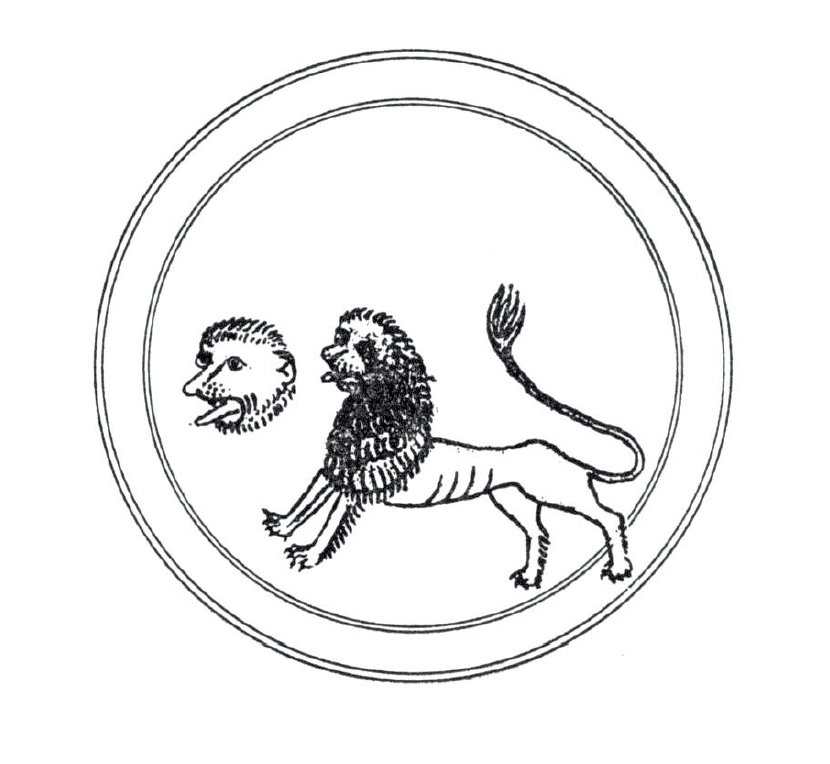
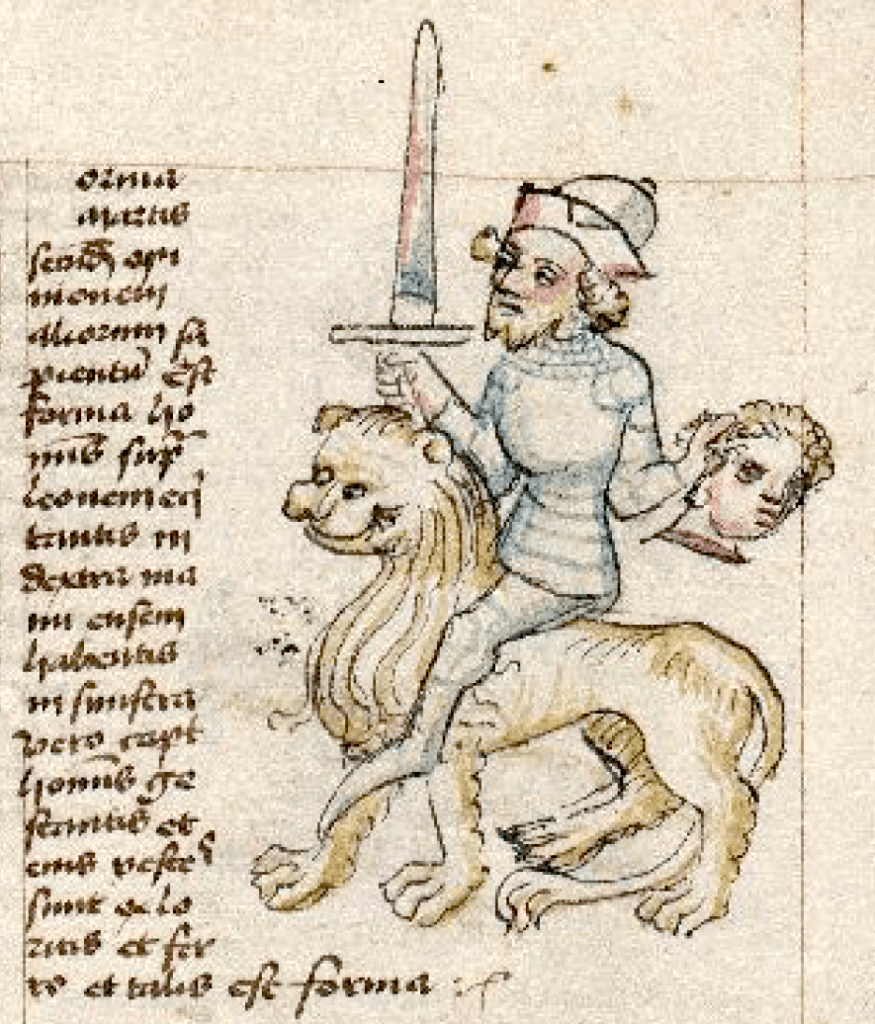
Right: Picatrix ca. 1460
Bibliography
Henry Kahane, Renee Kahane, and Angelina Pietrangeli. “‘Picatrix’ and the Talismans.” Romance Philology 19, no. 4 (May 1, 1966): 574–93. https://search-ebscohost-com.proxy-sm.researchport.umd.edu/login.aspx?direct=true&db=edsjsr&AN=edsjsr.44940180&site=eds-live.
J. Thomann, “The Name Picatrix: Transcription or Translation?” Journal of the Warburg and Courtauld Institutes 53 (1990): 289. https://doi.org/10.2307/751354.
“Notes on Picatrix.” 1965. Isis 56 (4): 438–51. https://doi.org/10.1086/350046.
Pingree, David, and Charles Burnett. 2009. “Between the Ghāya and the Picatrix, II: The Flos Naturarum Ascribed to Jābir.” Journal of the Warburg and Courtauld Institutes 72 (1): 41–80. https://doi.org/10.1086/jwci40593764.
Saif, Liana. 2017. “From Ġāyat Al-Ḥakīm to Šams Al-Maʿārif: Ways of Knowing and Paths of Power in Medieval Islam.” Arabica 64 (3-4): 297–345. https://doi.org/10.1163/15700585-12341459.
Additional Sources
Arcane, Arcane. 2020. “Picatrix.” Grimoire Magic. September 2, 2020. https://booksofmagick.com/picatrix/.
Fragment of the Picatrix. [Place of Publication Not Identified: Publisher Not Identified, to 1399, 1300] Pdf. https://www.loc.gov/item/2021667701/.
Picatrix (Biblioteka Jagiellonska MS 793) ca. 1460 https://booksofmagick.com/wp-content/uploads/2020/09/Picatrix_Krakau_Manuscript_In_Latin.pdf.
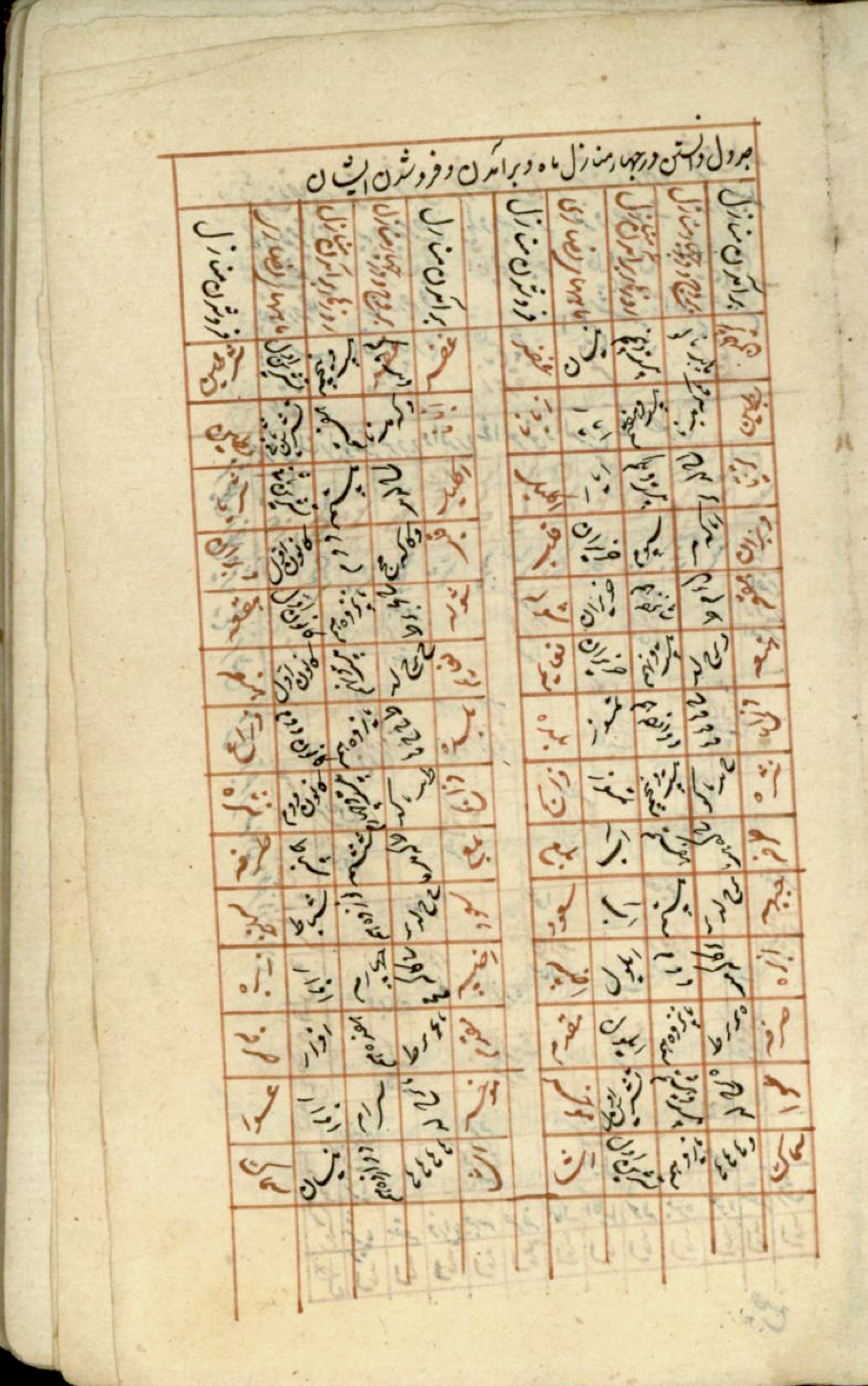
Source link lost: the first page of the manuscript says “Ex Legato Viri Ampliff Levini Warneri.” (From the legate of Mr. Ampliff Levin Warner) and MS: Orient: No 575 on the last page.
 Objects of the Ottoman Empire