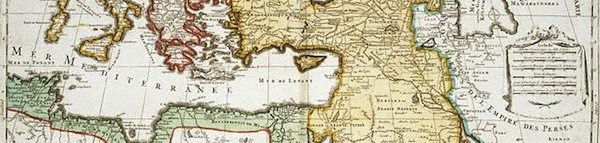
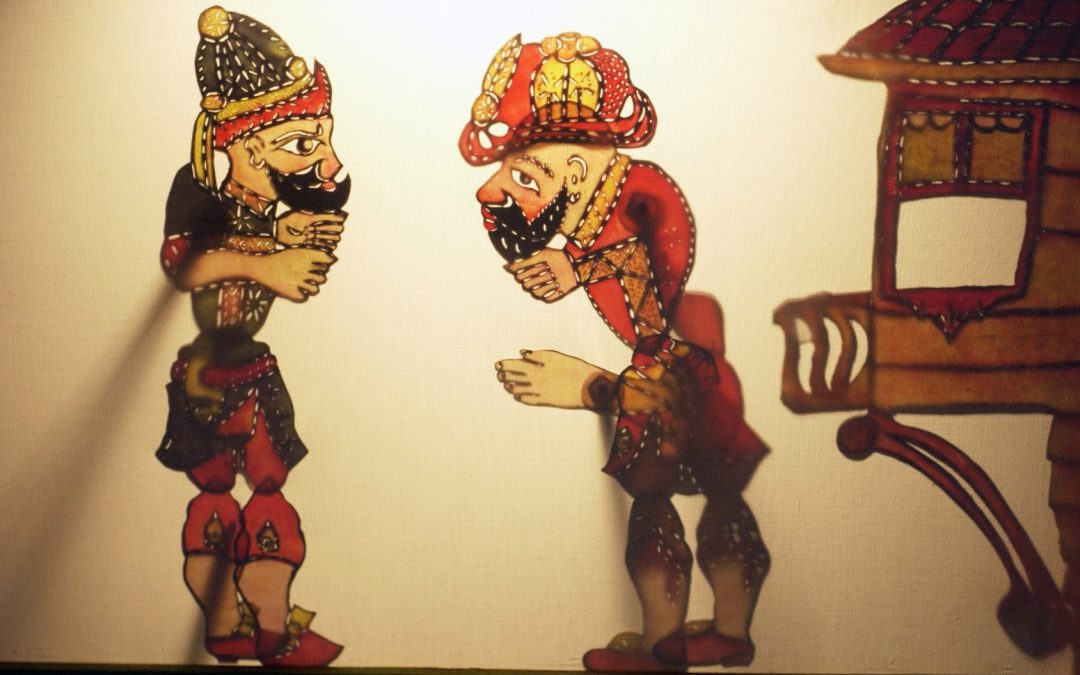
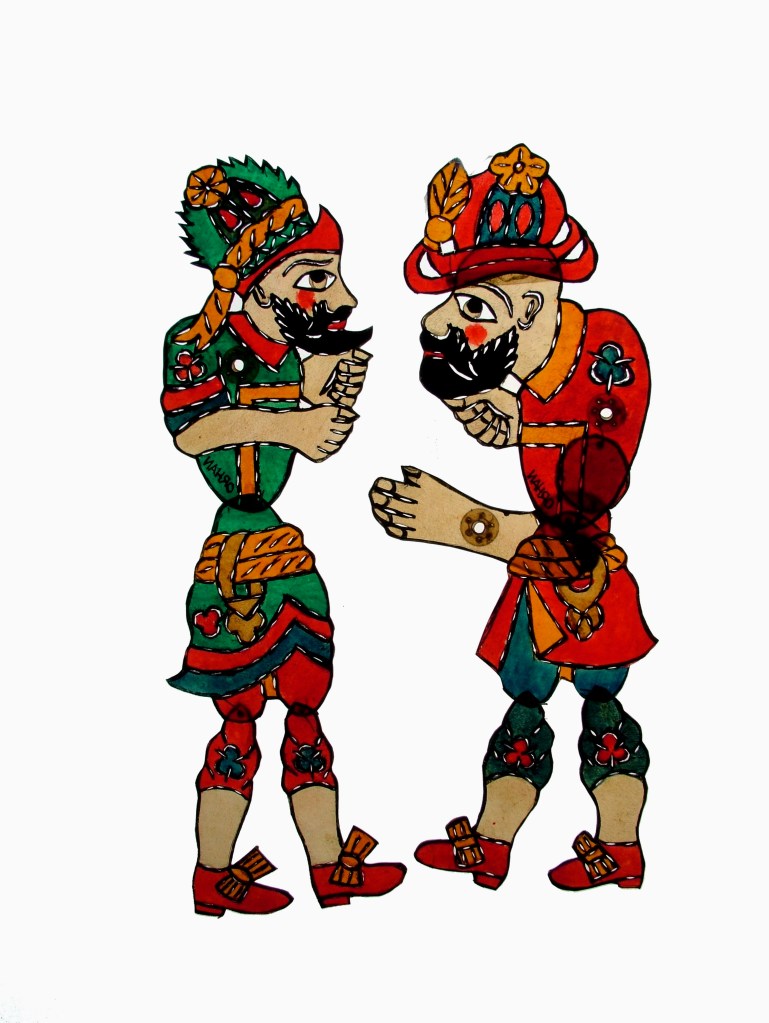
Shadow puppetry, or Karagöz theatre, was a stylized, crude form of puppetry that existed in the Ottoman Empire in Turkey. Turkey had already developed two differing forms of theatre in folk culture. Karagöz has inspirational roots from Egyptian shadow puppetry, and was performed in coffee shops. However, the birth of modern Turkey had the modern government regulate the crude shows that Karagöz theatre provided, forcing them into “People’s Homes”, government-made structures that spread more ideological themes of Karagöz.
Folk Turkish Theatre
In folk Turkey, there were two main forms of theatre. One main form of theatre was more traditional, existing only inside the villages. The other form of theatre was the popular type of theatre that was performed in the major cities in Turkey, including Istanbul.(1) In these two forms of theatre, there are similarities and differences that both these kinds of theatre share. For one, both these theatrical forms share a similarity in how they were performed. Both share no allegiance to any form of writing, making all theatre performed in Turkey improvisational.(1) Another similarity was the staggering amount of things that were already being used in both forms, including puppets, dramatic dances, and naive and phallic themes to create a theatrical performance.(1) There were also differences in these forms of theatre, including how the improvisation was done. The traditional style has the performers taking from village traditions and infusing them into the performance, as well as making adaptations to fit with the current style of the traditions.(1) The popular style, on the other hand, had more a sense of improvisational freedom, making each performance different than the last.(1) Traditional theatre was not considered a true form of theatre, while the popular style was considered as such.(1)
Theories of Karagöz Theatre
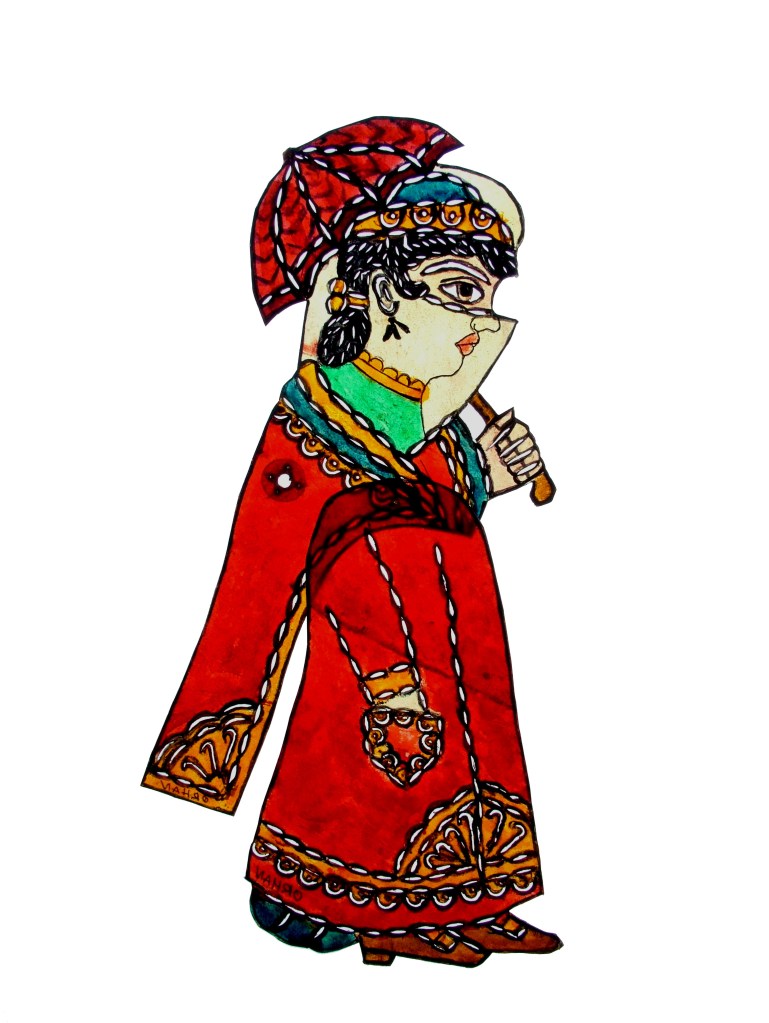
There had been a couple of ideas as to where Karagöz came from. One theory of Karagöz was the practice existed in China, then the Mongols, who took over China, took the idea of shadow puppetry and brought it to Turkey.(4) However, there is no current form of shadow puppetry existing within Central Asia, so that theory is false. Another theory suggests a different location as to where Karagöz could have been developed. The theory suggests that shadow puppetry existed in Bursa during the 14th century, and that a person, going by the name of Sheik Küsteri, was the “patron saint” of shadow puppetry.(4) However, no written evidence proves that this is true, as the earliest written source about shadow puppetry in Turkey was written in the 16th century.
1517: The Inspiration of Karagöz
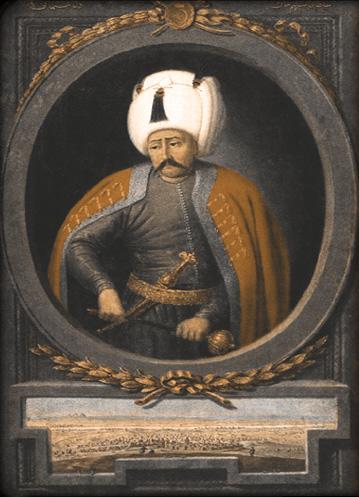
In 1517, Yavuz Sultan Selim conquered Egypt. After the conquest, he was greeted to a show in his honor. A shadow puppetry show. Intrigued by this new art style, Selim decided to bring back one of the Egyptian puppet masters to his palace.(4) However, the art and style of the shadow puppetry in Turkey wasn’t just a completely stolen rip-off of the Egyptian style. In fact, the only thing that was actually a copy of the style was the structure. The performances ran through a set structure, including an intro, dialogue, play that links to the story, and the conclusion. Besides the structure, there were no other things that Turkish shadow puppetry and Egyptian shadow puppetry had similar. Turkish shadow puppetry changed the characters from monochrome, static figures to more energetic, moving characters with color.(4) Four surviving Egyptian manuscripts were all about shadow puppetry.(3) After shadow puppetry reached Anatolia, that’s when Turkish performers took the art and made it their own. This idea, known as synthesis, existed a lot within the Ottoman Empire, as the Empire didn’t just take ideas from foreign powers. They integrated foreign laws and policies into their own ideals, creating a more synthetic power.
Karagöz Theatre And Themes
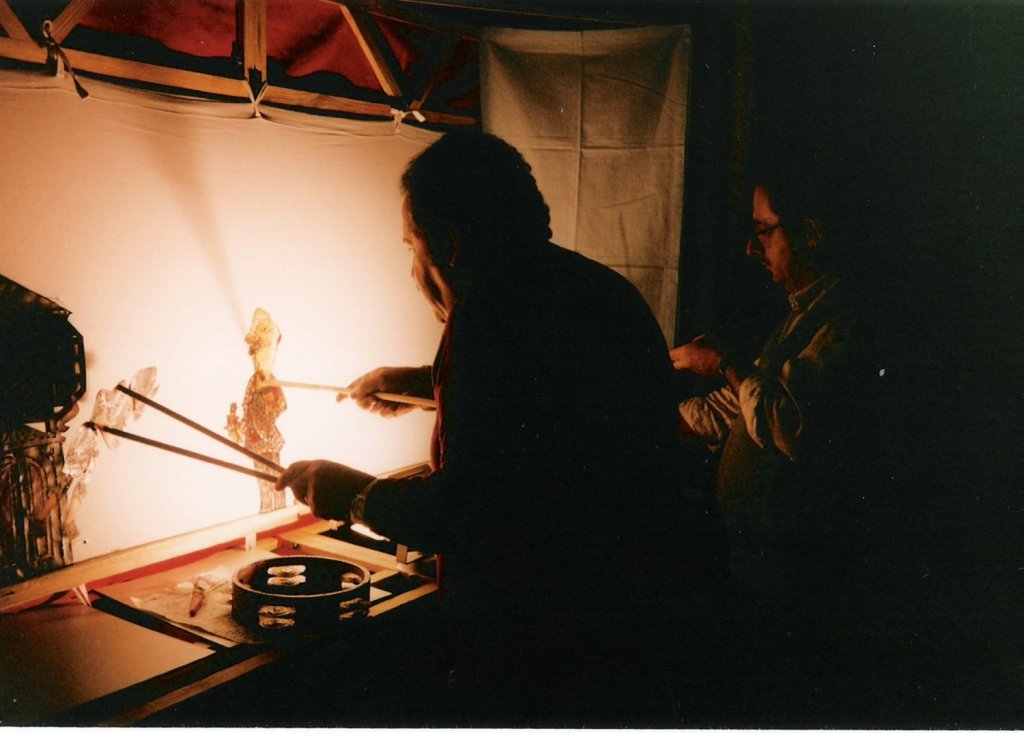
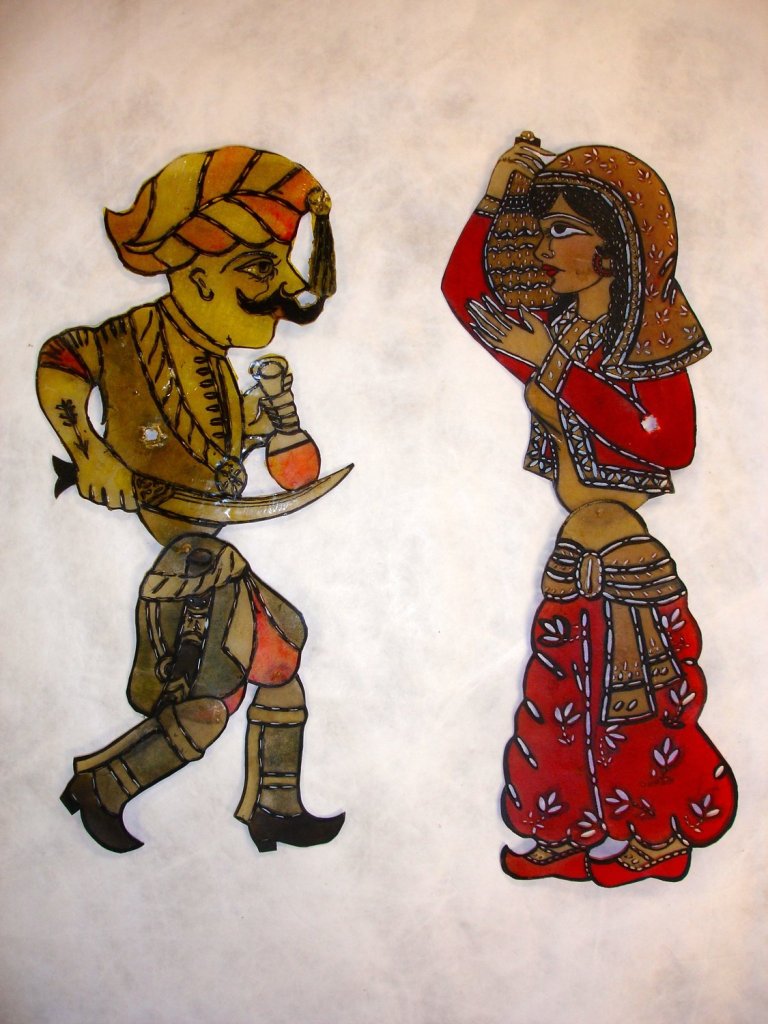
Karagöz theatre would later catch on and become very popular. The biggest places where Karagöz had existed was in coffee shops. Considering that coffee shops were public places, everyone could go see Karagöz theatre. Karagöz translates, quite literally, to “Black-eyed”.(2) Karagöz theatre had many figures, known as ‘the shadows’, projected onto a flat screen, which then is projected onto a dark curtain with a small rectangle lit up in the center.(2) A typical performance of Karagöz has two main characters. Karagöz, the idle gypsy, and Hacivat, the wise, educated man. The story usually runs like this: Karagöz loses his job and Hacivat, who is working as a estate agent, is encouraging Karagöz to go use his intellectual skill-set to get another job. This encouragement, however, is returned by Karagöz with, usually, unimportant or very crazy information.(2) Other characters include Tuzsuz Deli Bekir, who is noted to be the authority figure. However, this “authority figure” is noted as a drunk who lusts for ladies who are just in the neighborhood. He’s usually seen swaying, representing his alcoholism and being also noted as to being very proud of his murders, including the ones on his own family.(2) This character can be related to one of the main themes of Karagöz theatre, which is making fun of the government and authority figures that persisted in the Ottoman Empire.(5) Another character worth noting is Çelebi, who is seen being mocked for the many love affairs that he has had.(4) This related to the other Karagöz theatre theme, sex jokes.(5) These two crude and mocking themes would later cause government backlash during the birth of modern Turkey.
Modern Turkey: The Government’s Ideolgical Karagöz
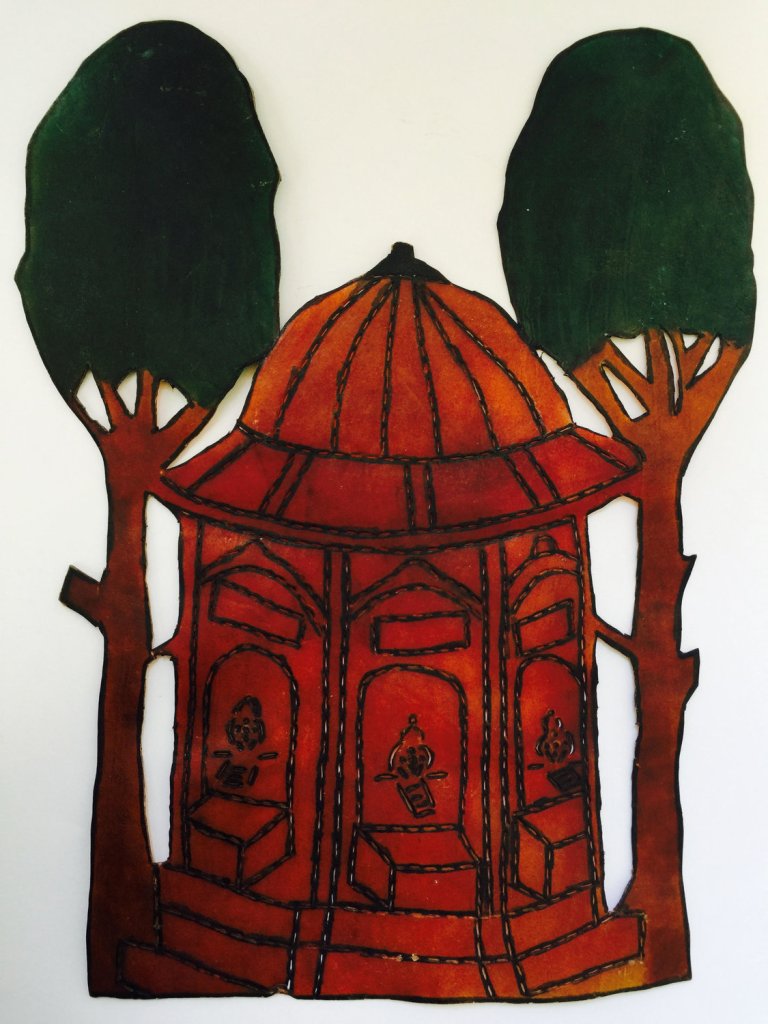
In 1932, after the Ottoman Empire ended, the government decided that Karagöz’s themes and styles were frankly unwelcome. So, in order to try and regulate these shows, the government placed a “Ministry of Internal Affairs decree”, allowing police to enter these coffee shops and severely monitor them.(5) Nearing the end of 1932, the government decided that this wasn’t enough and made another decree, allowing police to now monitor coffee shops within their district.(5) Another big thing about this decree was that it also allowed the police to arrest puppeteers who performed Karagöz theatre. The government took it a step further, by creating a more ideological side of Karagöz theatre and placing it into “People’s Homes”. These “People’s Homes” were used to spread a more ideological side of Karagöz theatre that the government created.(5) It was odd to see changes performed to a form of theatre that mostly was improvisational.
Conclusion
So, what made Karagöz theatre a big influence in the Ottoman Empire? The easy access to the show through the public place, the crude themes that had a legitimate spot in the Empire, the synthesis with Egyptian puppetry, and the folk influences for folkish Turkey could lead to Karagöz having a legitimate positive effect on the Ottoman Empire. Karagöz brought along a new form of art into the Empire, and the crude themes, along with the easy access, create a way for citizens in the Ottoman Empire to see a show. This idea of a public, improvised form of puppetry had quite the positive effect on the Ottoman Empire.
Jason Williams, Islamic Empires Class HIST314, 2019
Notes
- And, The Turkish Folk Theatre, 155-157
- Balan, Transience, Absurdity, Dreams and Other Illusions: Turkish Shadow Play, 173
- Guo, The Monk’s Daughter and Her Suitor: An Egyptian Shadow Play of Interfaith Romance and Insanity, 789
- Nicolas and Õzhan, Turkey | World Encyclopedia of Puppetry Arts, para. 3-6
- Öztürk, Karagöz Co-Opted: Turkish Shadow Theatre of the Early Republic (1923-1945), 294-303
 Objects of the Ottoman Empire